


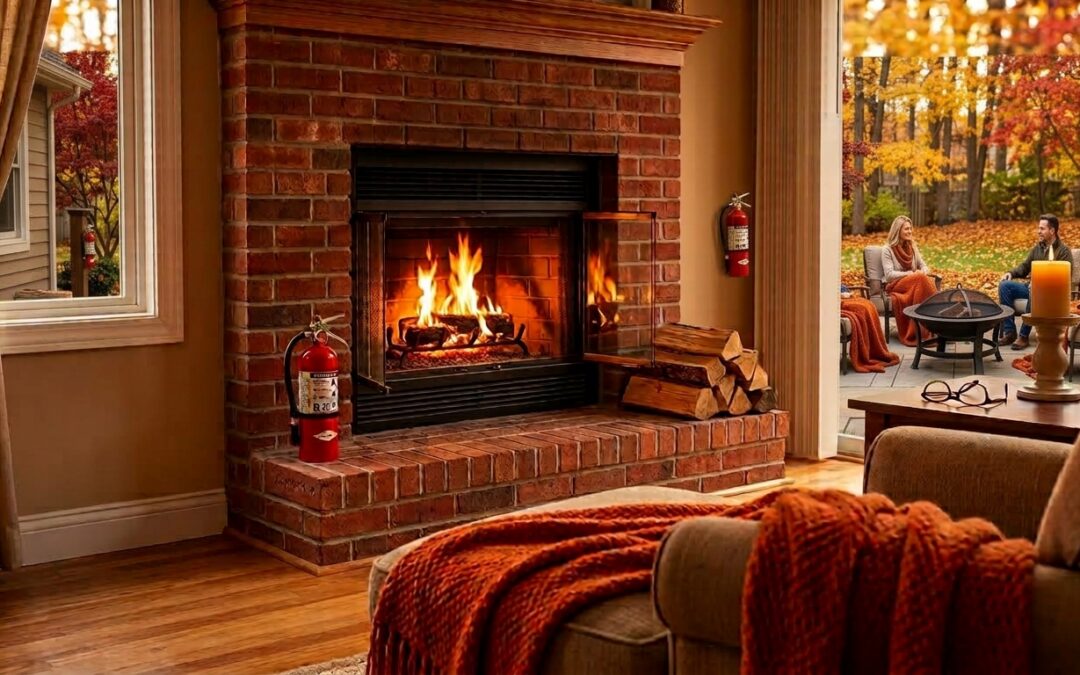
As October rolls around and the air turns crisp, fall brings a familiar set of seasonal comforts—pulling out space heaters, lighting scented candles, setting up cozy outdoor fire pits, and firing up the fireplace for the first time.
October is National Fire Prevention Month, making it the perfect time to review home safety. While most homeowners know the basics—like changing smoke detector batteries and keeping a fire extinguisher in the kitchen—many devastating home fires start from subtle hazards embedded in everyday routines.
Here are five commonly overlooked fire hazards hiding in your fall routine, along with simple steps to mitigate your risk and keep your home protected.
1. The Space Heater Trap
When temperatures dip, portable space heaters offer convenient warmth for chilly bedrooms, basements, or home offices. However, space heaters account for a high percentage of home heating fires.
-
The Hidden Risk: Placing space heaters too close to curtains, bedsheets, or furniture, or plugging them into extension cords and power strips that aren’t rated for heavy electrical loads.
-
The Fix: Maintain a strict three-foot clearance around space heaters. Always plug them directly into a wall outlet and turn them off when leaving the room or going to sleep.
2. Chimneys and Fireplace Flues
After months of inactivity, lighting your fireplace without a proper check can put your roof and home at risk.
-
The Hidden Risk: Creosote—a highly flammable byproduct of burning wood—builds up inside chimney flues over time. Additionally, birds and squirrels often nest in chimneys during spring and summer, creating blockages.
-
The Fix: Schedule an annual professional chimney sweep and inspection before your first fire of the season. Ensure gas fireplaces have their pilot lights and lines inspected as well.
3. Dryer Vent Lint Buildup
Fall usually brings bulkier laundry loads—sweaters, heavy blankets, and jackets. While most people clean the lint screen inside the dryer, few check the exterior vent hose.
-
The Hidden Risk: Highly flammable lint collects inside the ductwork between the dryer and the outside vent wall, creating a severe fire hazard when exposed to high heat.
-
The Fix: Disconnect and vacuum out the entire dryer duct at least once a year and verify that the exterior flap opens properly when the dryer is running.
4. Overloaded Outlets and Extension Cords for Seasonal Decor
Halloween lighting, autumn displays, and early holiday decorations often lead to a sudden surge in electrical demand.
-
The Hidden Risk: Running indoor extension cords under rugs, pinching cords behind heavy furniture, or daisy-chaining multiple power strips can cause wires to overheat and spark behind walls or under flooring.
-
The Fix: Inspect all decorative light strands for frayed wires or loose connections. Use outdoor-rated, heavy-duty extension cords for exterior decorations, and never run cords under carpets or doors.
5. Dry Leaves and Outdoor Fire Pits
Fire pits and outdoor heaters are autumn staples but fall yard debris creates a dangerous surrounding environment.
-
The Hidden Risk: Dry leaves, fallen twigs, and overgrown grass act as instant tinder if stray embers blow out of a fire pit or patio heater.
-
The Fix: Position fire pits at least 10 to 15 feet away from structures, wooden decks, and overhanging trees. Keep a garden hose or bucket of water nearby and clear a 10-foot radius of dry leaves around the pit before lighting it.
Fire Safety Meets Insurance: Are You Adequately Protected?
Preventative maintenance is your best line of defense against home fires. However, if the unexpected happens, having the right homeowners insurance coverage in place ensures your family can recover quickly.
When reviewing your home insurance policy this fall, consider two key factors:
-
Rebuild Costs vs. Inflation: Supply chain shifts and increased labor costs mean rebuilding your home today may cost significantly more than it did a few years ago. Check your policy’s Dwelling Coverage limit to ensure it reflects current local construction costs.
-
Personal Property Coverage: From electronics to furniture and clothing, replacing the contents of your home adds up fast. Make sure your policy provides Replacement Cost Coverage (which pays to buy new items) rather than Actual Cash Value (which factors in depreciation).
Take 5 Minutes to Review Your Coverage This October
As an independent agency, we work with multiple insurance carriers to ensure your home, family, and assets are fully protected at competitive rates.
Have questions about your current home coverage limits or discount opportunities for fire safety devices? Contact our team today for a quick policy review!